Advanced NDT & Asset Integrity Services for Industrial Excellence in Algeria
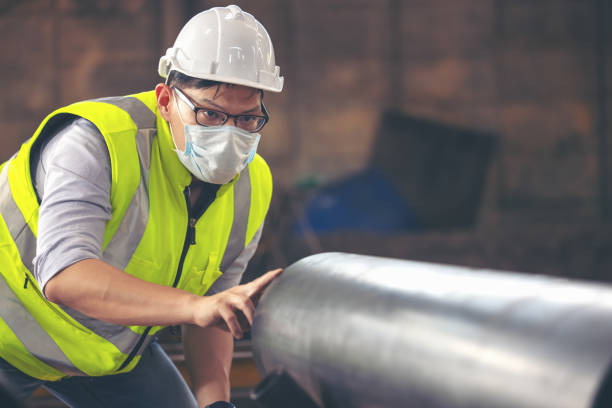
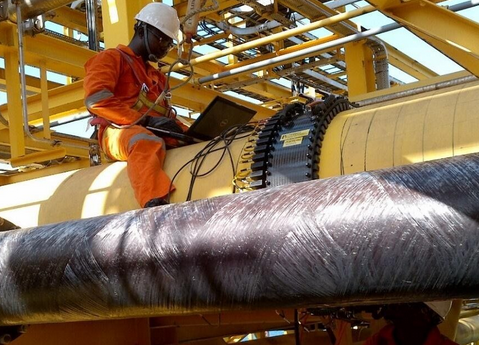
Time-tested inspection methods delivering reliable defect detection for routine maintenance, fabrication quality control, and in-service verification. Our certified inspectors utilize industry-standard techniques to ensure code compliance and asset safety.
Direct visual examination of surfaces, welds, and components for surface-breaking discontinuities.
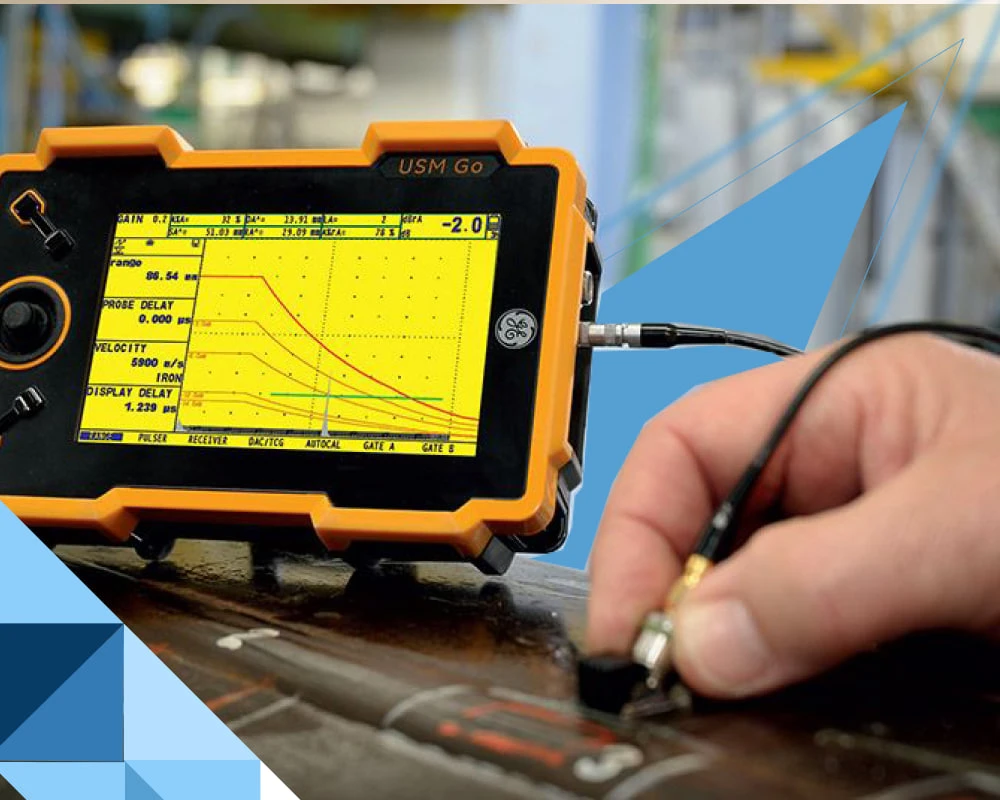
Thickness measurement and flaw detection using high-frequency sound waves for internal defects.
Surface and near-surface defect detection in ferromagnetic materials using magnetic fields.
Additional Methods: Liquid Penetrant (PT), Radiographic Testing (RT), Eddy Current (ET), Leak Testing (LT), IR Thermography, PMI, and Hardness Testing.
Electronic beam steering for complete volumetric coverage with detailed imaging.
Time-of-Flight Diffraction for accurate defect sizing and crack height measurement.
Long-range screening of pipelines for corrosion under supports and wall loss.
Alternating Current Field Measurement for crack detection through coatings.
Cutting-edge ultrasonic and electromagnetic techniques for complex geometries, challenging materials, and critical defect detection where conventional methods reach their limits.
Pulsed Eddy Current for corrosion detection under insulation (CUI) and through thick coatings without surface preparation.
Eddy Current Array for rapid surface inspection with detailed C-scan imaging and complex geometry adaptation.
Motorized scanning systems for repeatable, high-resolution data acquisition on pipes, vessels, and flat surfaces.
Deliverables: C-scan imaging, B-scan profiles, 3D visualizations, automated reporting with defect sizing and positioning.
Specialized non-destructive testing for heat exchangers, boilers, air coolers, and condensers. We detect corrosion, pitting, cracks, and wall loss in tubing systems to maintain thermal efficiency and prevent leaks.
High-speed detection of pits, cracks, and wall thinning in non-ferromagnetic tubes. Ideal for heat exchangers and condensers.
Electromagnetic inspection for ferromagnetic tubes (carbon steel) detecting internal and external defects with equal sensitivity.
Internal Rotating Inspection System using ultrasonic immersion for precise wall thickness measurements and accurate defect sizing.
Additional Methods: Near Field Testing (NFT) for air cooler fins, Magnetic Flux Leakage (MFL) for ferrous tubes, and specialized probes for U-bends.
High-resolution imaging for crack detection, coating assessment, and structural integrity.
Infrared cameras detecting insulation defects, refractory damage, and hot spots.
Powerful optical and digital zoom for detailed inspection of elevated structures.
Eliminates working at height risks, reduces scaffolding costs by up to 70%, and minimizes shutdown time for inspection access.
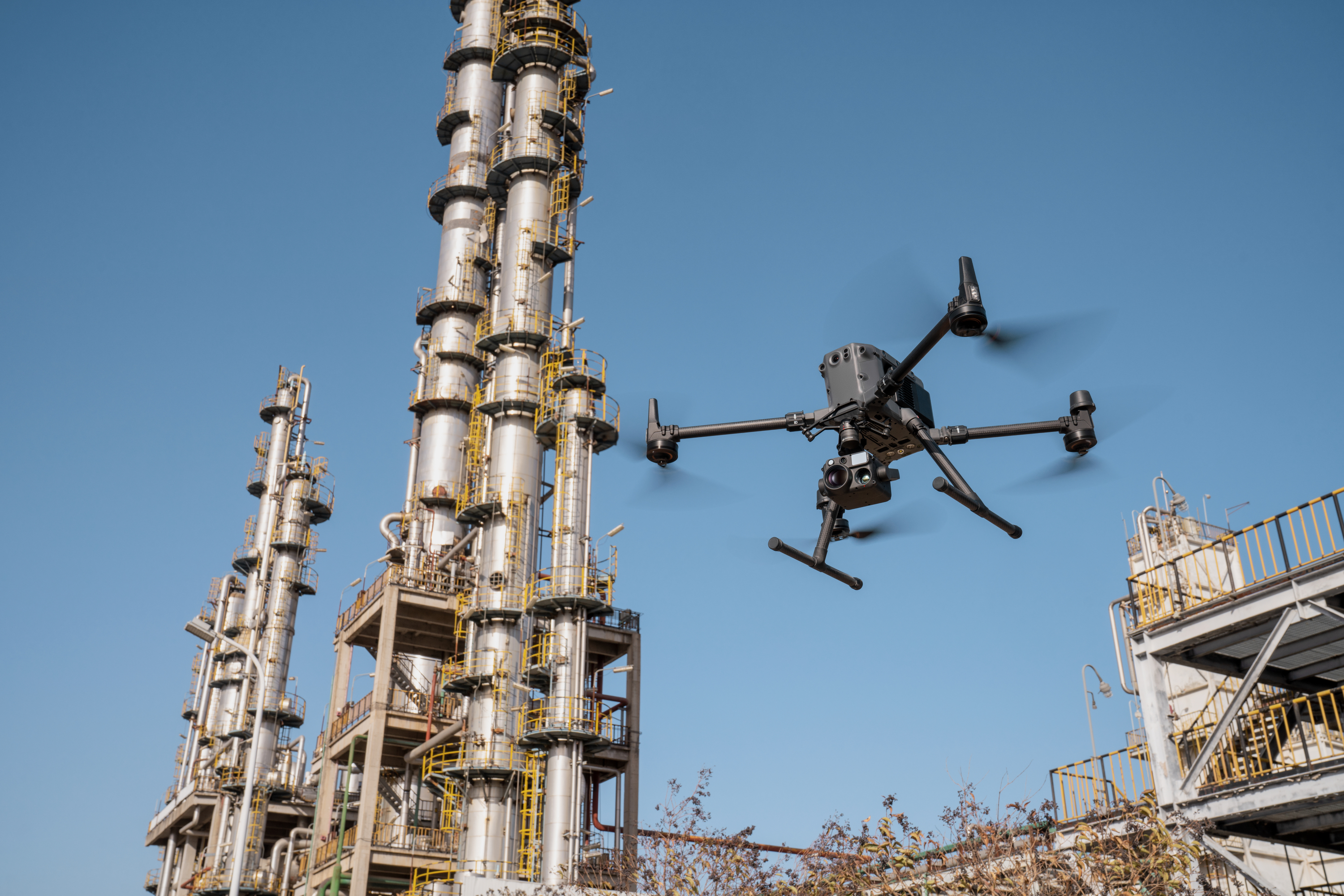
Safe, efficient aerial surveys of elevated and hazardous structures using industrial-grade UAVs. Access difficult-to-reach assets without scaffolding or rope access.
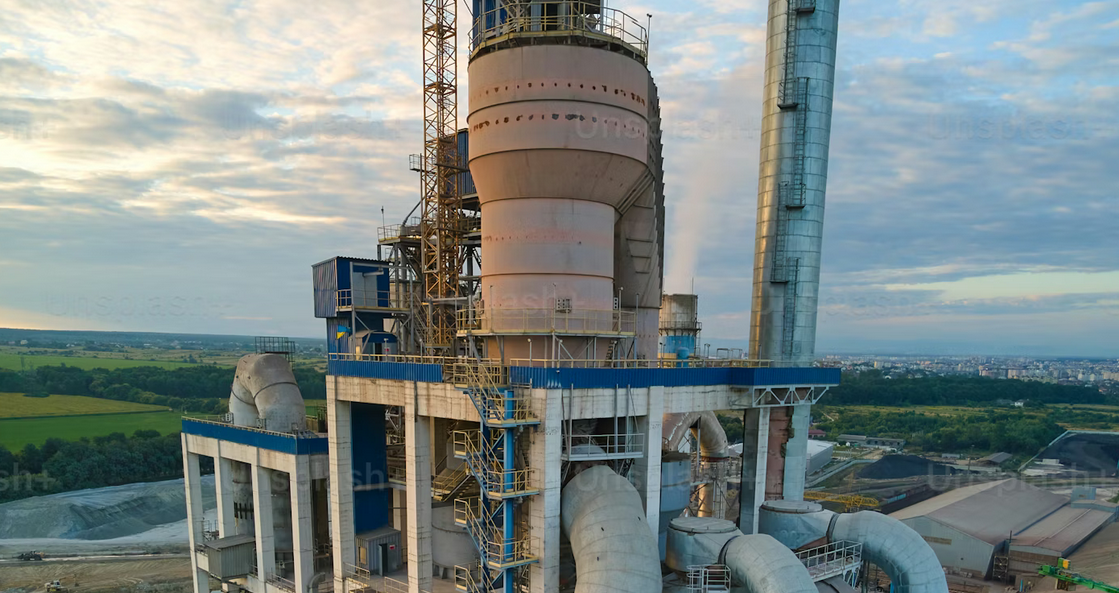
Complete visual survey of chimneys, stacks, and flare tips including refractory condition and structural integrity.
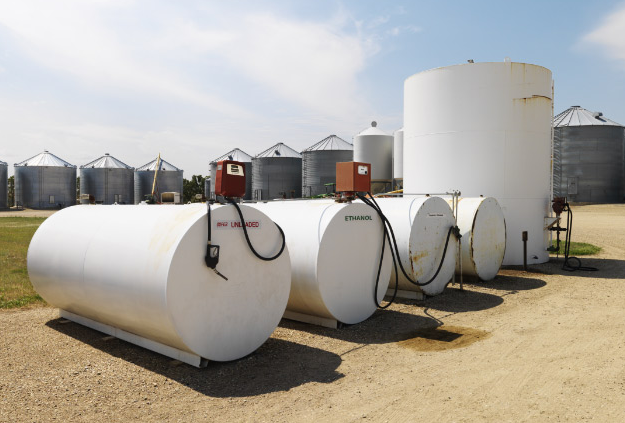
Roof inspection, external shell survey, and floating roof assessment while in service.
Detailed examination of pipe racks, support structures, and cable trays with close-up imagery.
Deliverables: High-resolution photos, 4K video, thermal maps, 3D models, and detailed inspection reports with defect annotations.
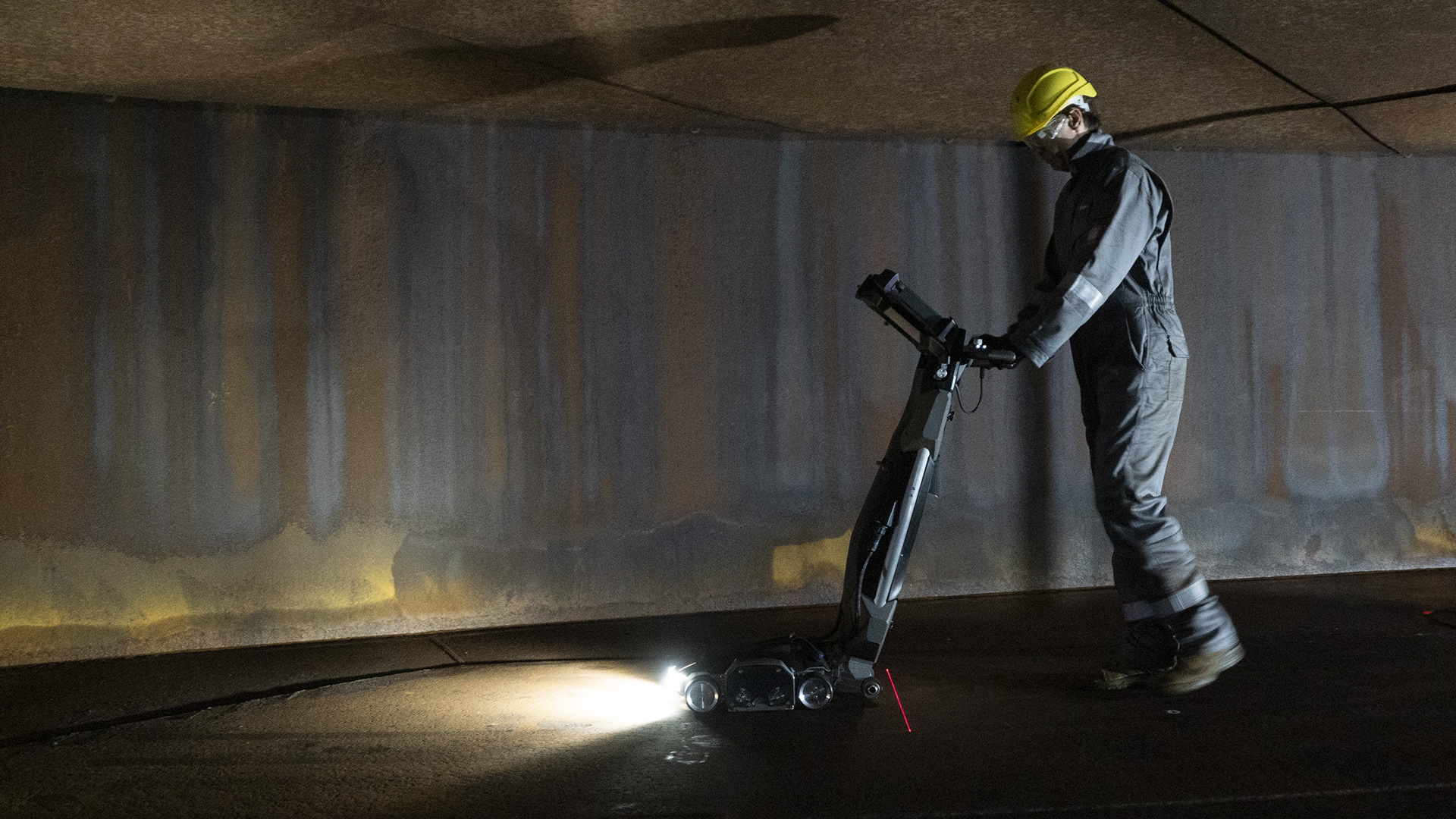
Confined space entry solutions using remotely operated crawlers and cameras. Eliminate human entry risks while obtaining high-quality visual and NDT data from hazardous environments.
Floor scanning, shell inspection, and roof assessment without human entry into hazardous atmospheres.
Internal visual inspection of columns, reactors, and vessels to assess corrosion, cracking, and coating condition.
Crawler systems for long-distance pipe inspection and ductwork assessment with pan-tilt-zoom cameras.
Safety First: Eliminates confined space entry permits, breathing apparatus requirements, and rescue standby teams.
Ferrous surface climbing with ultrasonic thickness measurement capability.
Tank floor inspection in hydrocarbon or water environments.
Long-range pipe inspection with steerable cameras and lighting.
Rapid mobilization and execution for time-critical maintenance windows. We understand that every hour of downtime costs money, so we deliver fast, accurate inspection results to keep your project on schedule.
24/7 availability for emergency response. Pre-positioned equipment and personnel ready to deploy to your site within hours.
Preliminary results provided immediately upon completion. Full reports delivered within 24-48 hours to support punch-list closure.
Verification inspection for repair completion. Final acceptance testing to ensure all deficiencies have been properly addressed.
Hotline available for urgent inspection requirements during critical path activities.
Smart Insight Technologies (SIT) is an Algeria-based inspection and asset integrity services company specializing in Non-Destructive Testing (NDT). We help operators reduce risk, prevent unplanned shutdowns, and extend asset life.
Our team of certified inspectors utilizes cutting-edge technology to detect corrosion, cracking, manufacturing defects, and in-service degradation without damaging your equipment. We combine technical excellence with safety-first execution.
SIT provides AI-enabled workflows that enhance inspection planning, defect detection, data quality, and risk-based decision making. We convert inspection data into actionable intelligence inside your AIM platform.
Computer vision models flag corrosion, coating breakdown, deformation, and anomalies in drone imagery for engineer review.
AI structures findings, standardizes reporting language, and reduces reporting time with engineer validation.
OCR/NLP extraction of inspection history from PDFs/scans into structured databases for AIM/RBI use.
Trend analysis for thickness loss, remaining life forecasting, and early-warning indicators on critical circuits.
Human-in-the-loop workflow: AI suggests and flags; qualified personnel review, confirm, and finalize findings. AI outputs are always validated by certified inspection personnel.
Define sources (CMMS, inspection database, spreadsheets, PDFs, imagery), mapping, and validation rules.
Tag hierarchy, equipment taxonomy, location coding, corrosion loop mapping, and document naming for traceability.
On-premise or cloud (per client policy), with role-based access and audit trail.
Risk hot-spots, compliance KPIs, inspection due status, defect registers, and management-level summaries.
Inspection and integrity services aligned with widely used API codes and recommended practices for in-service equipment. Supporting compliance, reliability, and safe operation.
Inspection support for planning, in-service inspection execution, evaluation and documentation of pressure vessels.
Circuitization support, inspection planning, field inspection execution support, evaluation and documentation.
Aboveground storage tank inspection support including planning, execution, reporting and repair recommendations.
RBI program elements, quantitative calculations support (PoF/CoF methodology), and risk-informed inspection planning.
Damage mechanism identification and applicability review supporting inspection planning and IOW management.
Refractory installation QC, inspection and testing support for refractory-lined equipment.
Risk-informed inspection plans and intervals based on API methodologies.
Corrosion rate evaluation, remaining life calculations, and prioritized CML/TML.
Risk ranking, recommended inspection tasks, and inspection effectiveness assumptions.
Damage mechanism review sheets linked to corrosion loops/circuits + IOW monitoring.
Refractory QC checklists and inspection records aligned with API 936.
Fitness-for-service assessments and remaining life predictions.
SIT supports the implementation and operation of an AIMS to control inspection planning, data governance, integrity workflows, and management reporting across pressure equipment and static assets.
Tag hierarchy, equipment classes, boundaries, and criticality classification.
History, thickness measurements, findings, CML/TML management, and attached evidence.
Corrosion loops/circuits, IOWs, damage mechanisms linkage, and mitigation tracking.
Risk ranking, inspection plans, and updates after inspections/repairs.
Drawings, data books, certificates, inspection reports, and photos/videos with traceability.
Templates for asset register, corrosion loops, inspection history, repair history, dossier completeness.
Cleaning and migration from legacy sources (Excel, PDF, old databases) into the AIMS.
User roles, review/approval workflow, and audit trail setup.
Go-live support + continuous improvement with periodic data quality reviews and KPI reporting.
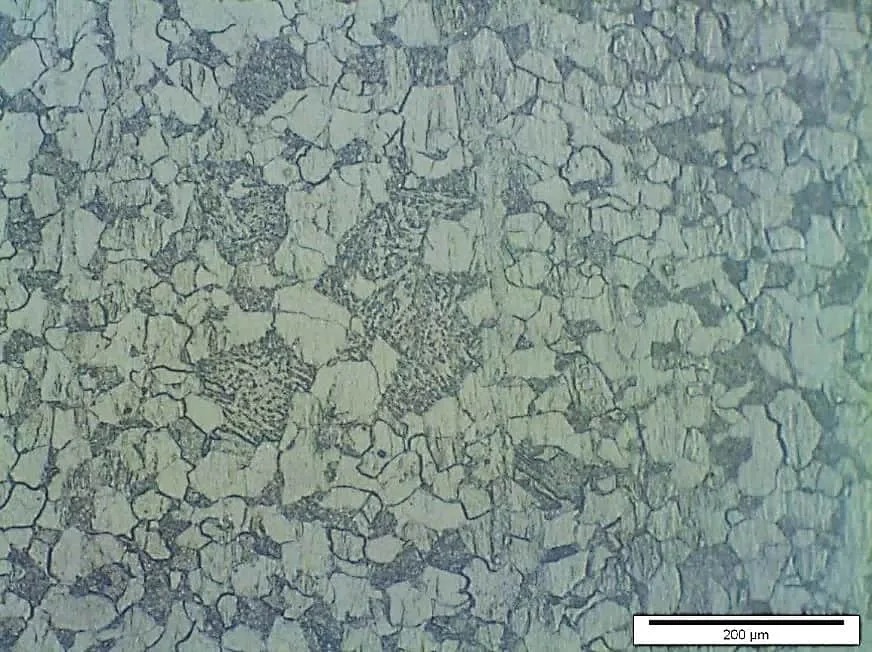
In-situ metallurgical examination (field metallography), often performed via metallographic replication, to assess microstructural condition of critical components without removing them from service.
Creep-related degradation on headers, piping, weld HAZ, and furnace components.
Microstructure checks where metallurgical confirmation is needed.
Microstructural indicators of damage mechanisms for RBI and inspection planning.
Verification support after repairs/heat treatment where applicable.
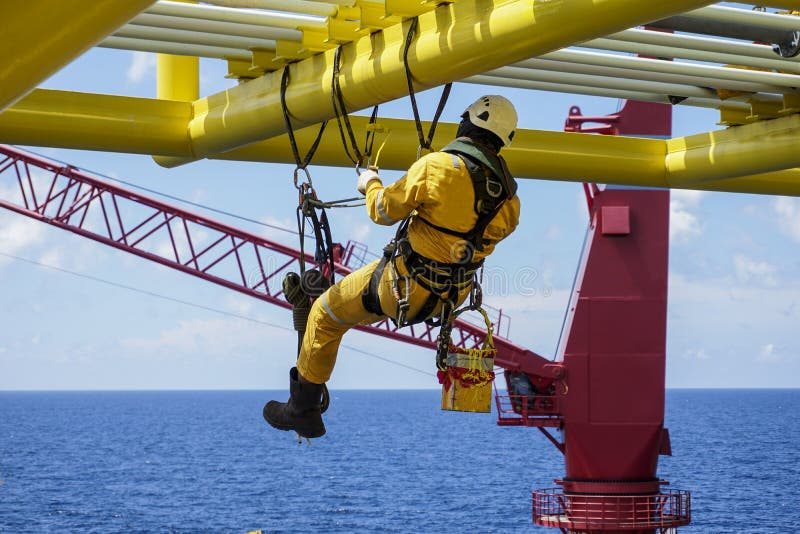
IRATA-aligned rope access personnel deployed to support inspection activities in difficult-to-reach areas where scaffolding, cranes, or permanent access are impractical, time-consuming, or cost-intensive.
Technician
Experienced Technician
Supervisor
Execution follows approved rope access procedure and task-specific risk assessment
Comprehensive rescue plan in place for all operations
Combined with VT, UT thickness checks, close visual verification, coating surveys
Note: Rope access is an access methodology that enables inspection—not a replacement for the inspection technique itself. All inspection work is performed by qualified NDT personnel.
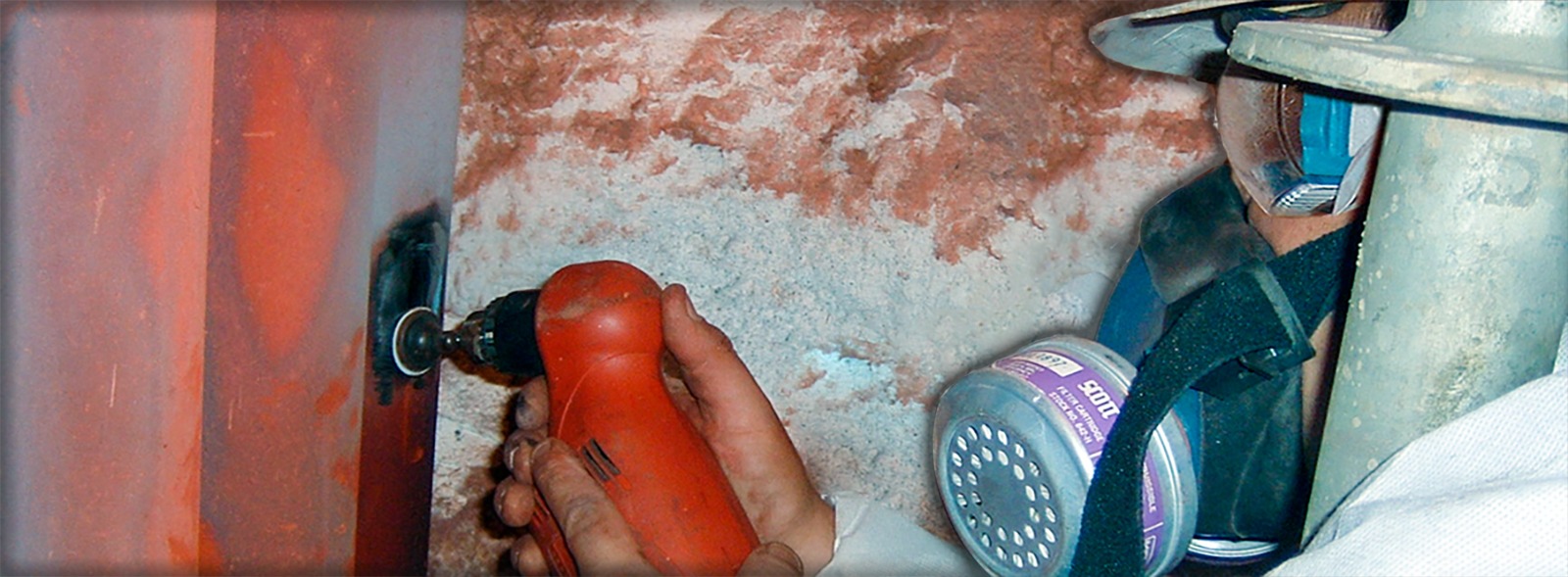
Coating inspection support for protective coating systems applied to steel and other industrial substrates. Verification of surface preparation, environmental conditions, application quality, and final acceptance in accordance with project specifications and applicable standards.
Review of coating system specification, data sheets, approved procedures, ITPs, and hold points.
Verification of cleanliness, profile/anchor pattern, visible contamination checks, and preparation records.
Air temperature, steel temperature, relative humidity, and dew point spread monitoring during application.
Wet film thickness during application and dry film thickness (DFT) verification after curing.
Holiday (pinhole) detection, adhesion testing where specified, visual acceptance, and completion records.
Upstream, midstream, downstream refining
Process plants & chemical facilities
Generation & distribution assets
Cement, steel, manufacturing
Complete weld inspection of 450+ joints using PAUT/TOFD during 14-day shutdown, zero delays.
12km non-piggable pipeline screened using Guided Wave UT, identified 23 critical locations for excavation.
MFL scanning of 6 crude oil storage tanks (40m diameter), detected floor corrosion without cleaning.
Tube inspection of 4 large heat exchangers using ECT and IRIS, prioritized 15% tubes for plugging.
Drone inspection of 85m flare stack and structure, eliminated scaffolding requirements, 70% cost savings.
Robotic inspection of 4 storage tanks without human entry, UT thickness measurements and visual documentation.
Phased Array Ultrasonic Testing
Time of Flight Diffraction
Guided Wave Testing
Alternating Current Field
Pulsed Eddy Current
Industrial UAVs with payloads
Personnel certification in NDT methods. Level II and III certified inspectors.
American Society for Nondestructive Testing compliance and procedures.
Quality Management System certification for consistent service delivery.
Occupational Health and Safety Management System certification.
Ready to discuss your inspection needs? Contact us for a detailed proposal tailored to your assets and schedule.